Introducing Vathography
The Art of a Photograph’s Hidden Volume
A technical advance can open the door to a new creative process.
With the release of the Marigold V2 model, I believe that a previously hidden post-process pass, the depth map, now detailed enough to become the artwork, gives us a new way to approach taking pictures.
Karim Joseph Nassar · Vathography practice published
Dated record · Zenodo (CERN) · 
The idea
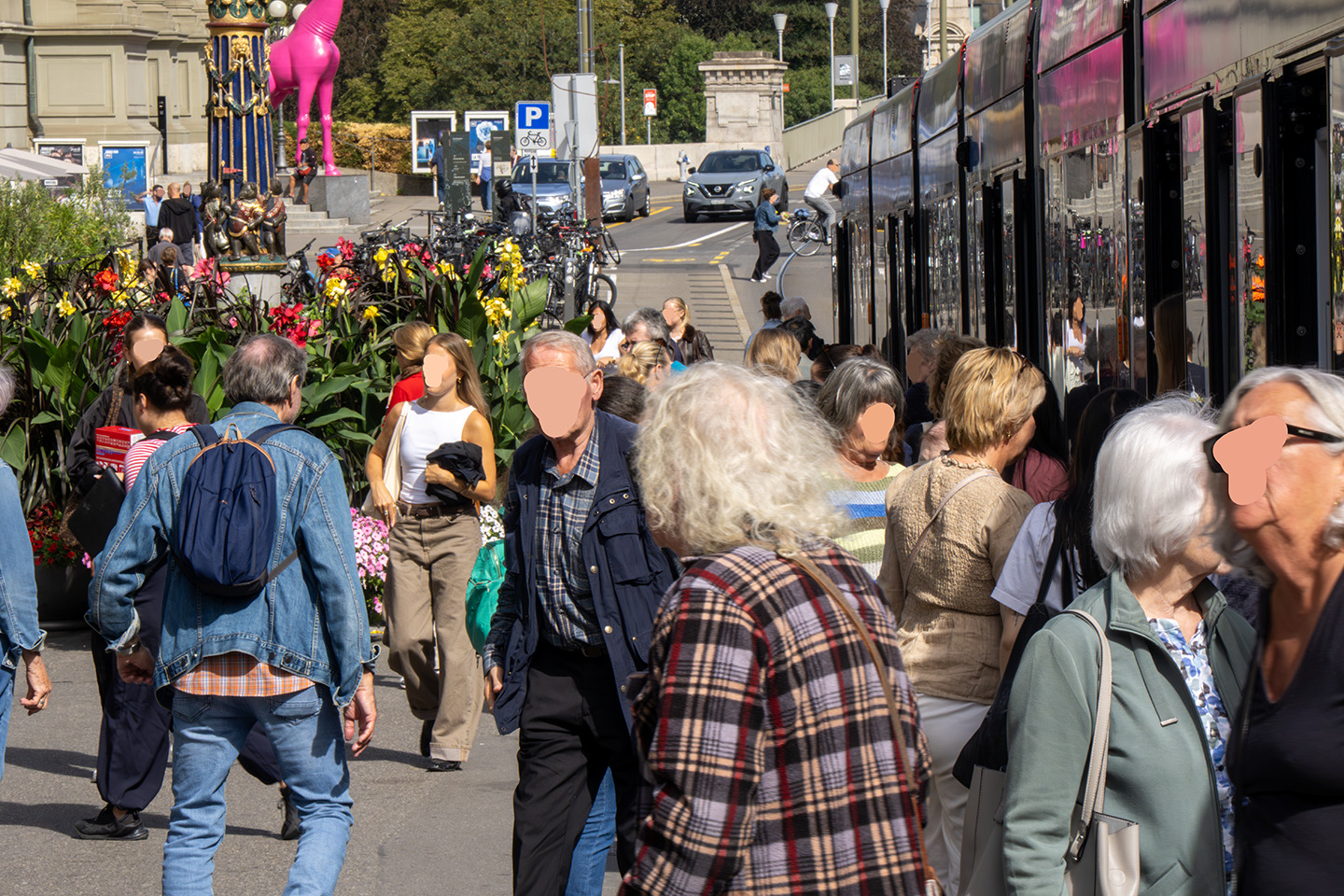
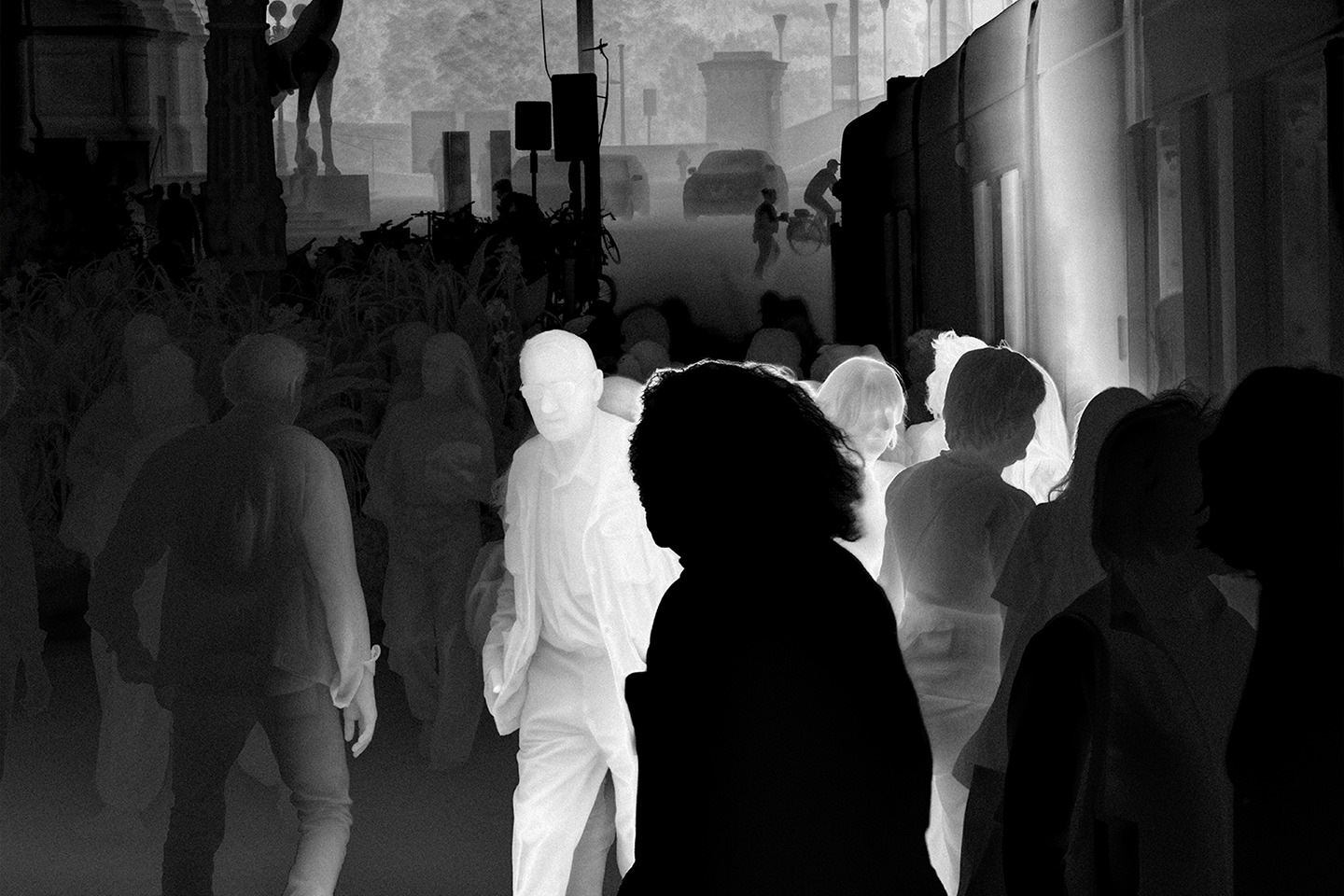
A camera captures everything we see: the light, the colors, the shadows; that has always shaped the way we photograph. The release of Marigold V2, which now breaks a photograph down into separate components with the fine detail needed for high-resolution artworks, inspired me to explore what a photograph becomes when distilled to a single element. With Vathography, that element is volume. From the photograph’s data, a diffusion transformer infers the depth: the relative distance of every point in the scene, estimated from a single image. The result is no longer a photograph in the documentary sense, but a translation of it into volume, the forms that live beneath the light.
The hidden gem
The depth inferred from a photograph is a hidden technical pass: made to be used inside a post-process, not to be shown. In Photoshop, for example, adding a realistic lens blur begins with a depth estimate, which the software then uses to calculate how much to soften each part of the image.
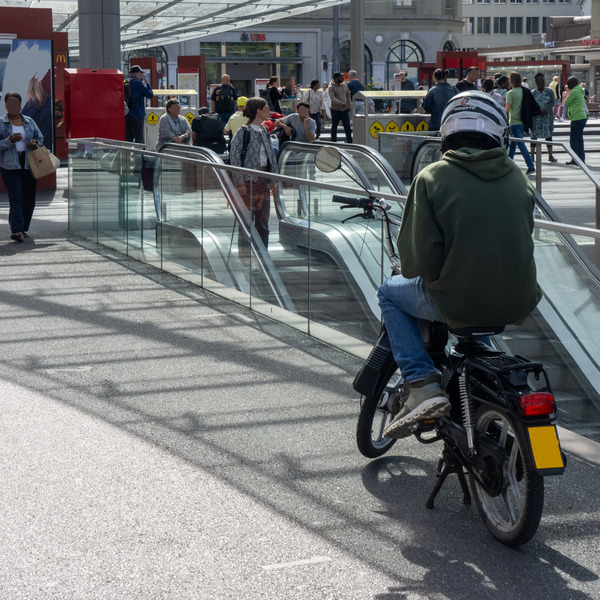

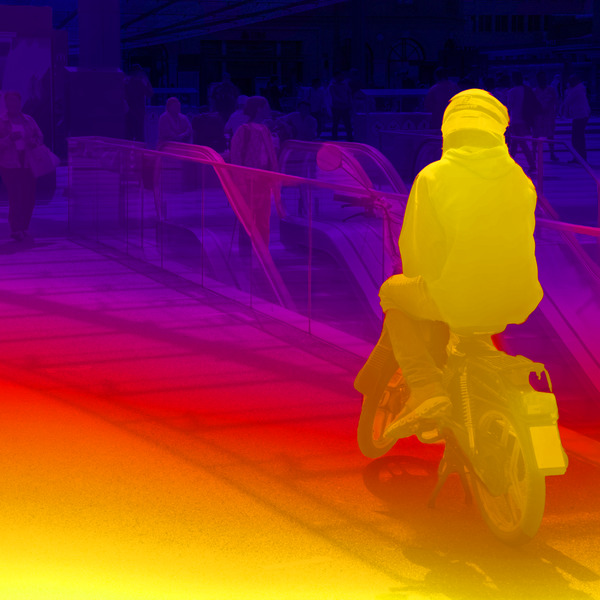
However, having a rendition in volume of a scene we photograph holds by itself far more than the intermediate step it was made for. Vathography shapes the technical pass into an artwork, and opens up new creative ways of approaching a scene.
The word
Vathography, from Greek vathos (depth) + -graphy (drawing, writing): drawing depth.
- vathosdepth
- -graphydrawing, writing
The new creative focus
In photography, focus is fixed by the lens at the moment of capture: one plane is sharp, and the choice is final. Working from volume, that constraint disappears. Depth is a value, and focus becomes the mapping of that value to tone and color: a thin white band picks out a single distance, a gradient spreads attention across many, and any distances can be brought forward at once. Focus stops being a property of the lens and becomes a property of the image, authored freely using contrast or color.
The same photograph, three examples of changing the focus by mapping its depth.
A new way of photographing
The post-process that changes the process: photographing for Vathography means that at capture we read a scene by its depth and volume rather than its light and color. Illustrated here with a generated scene:
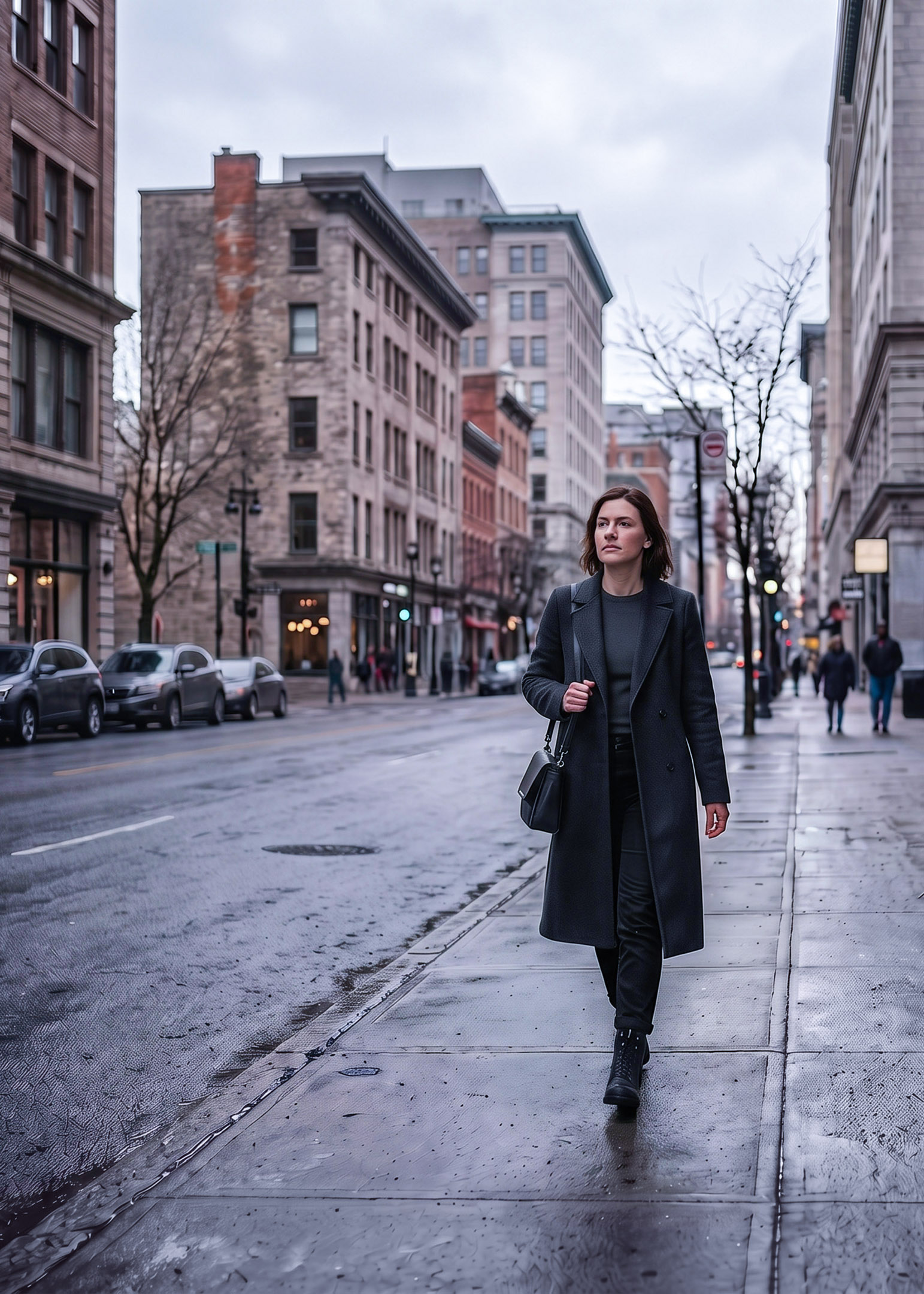
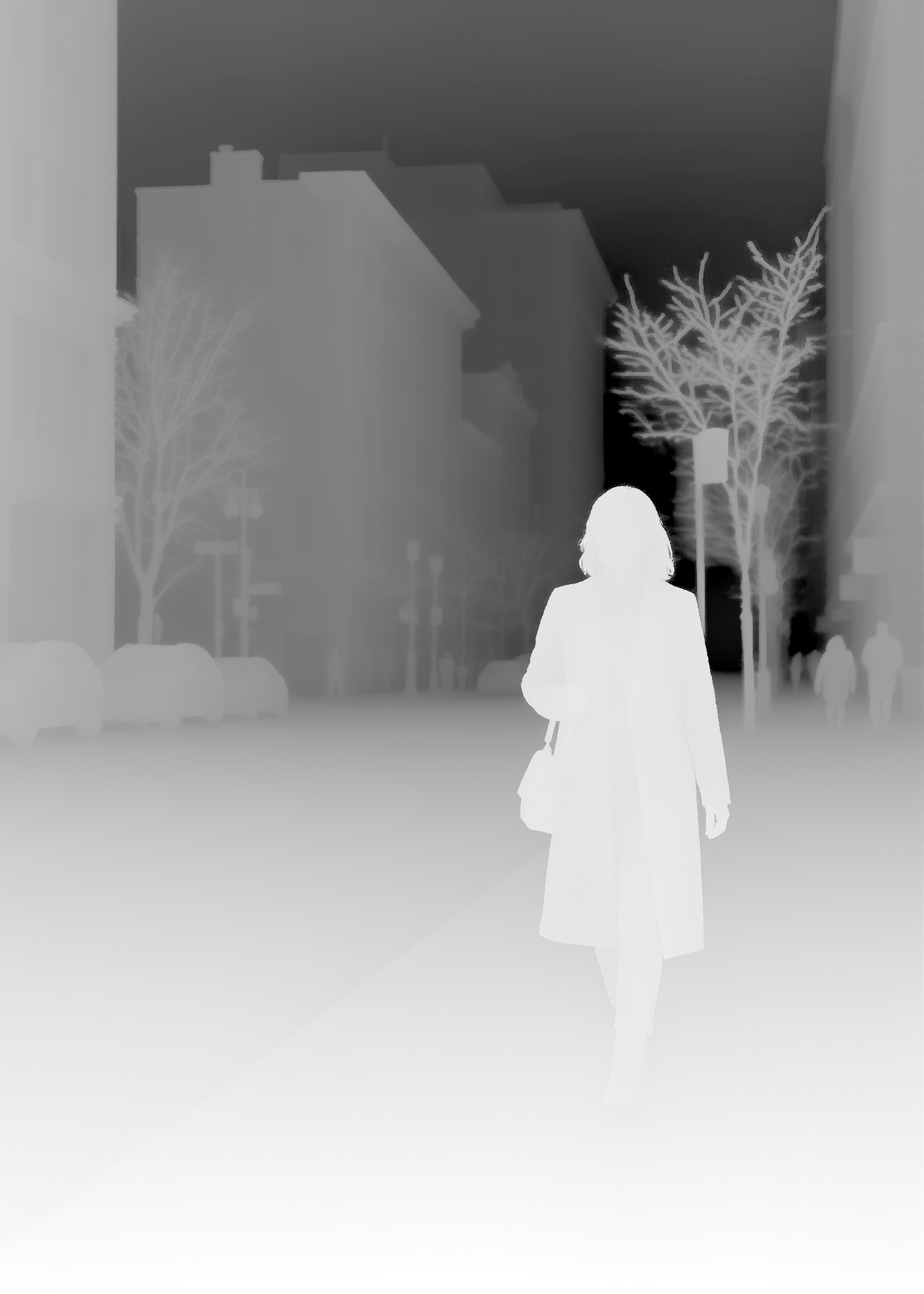
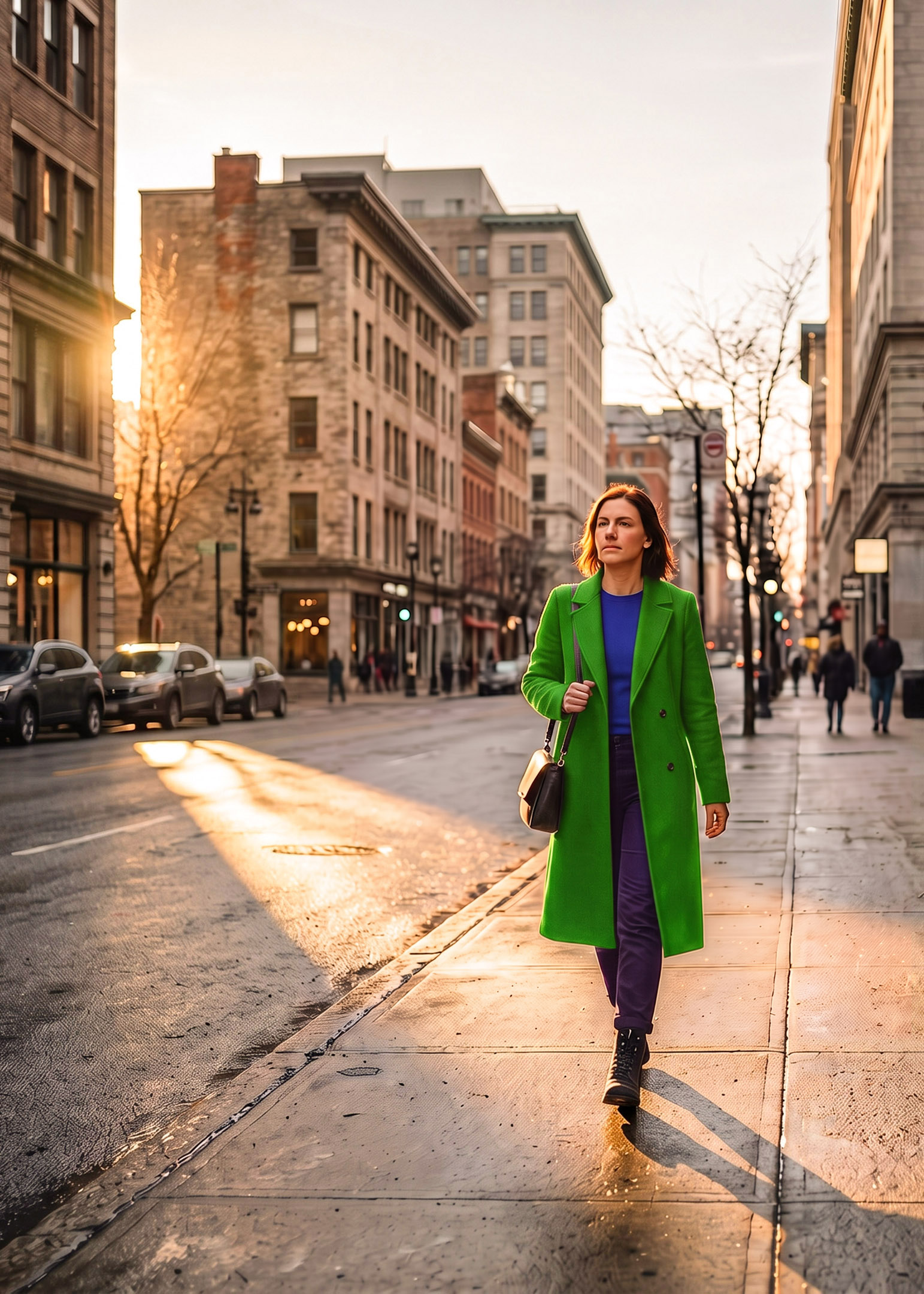
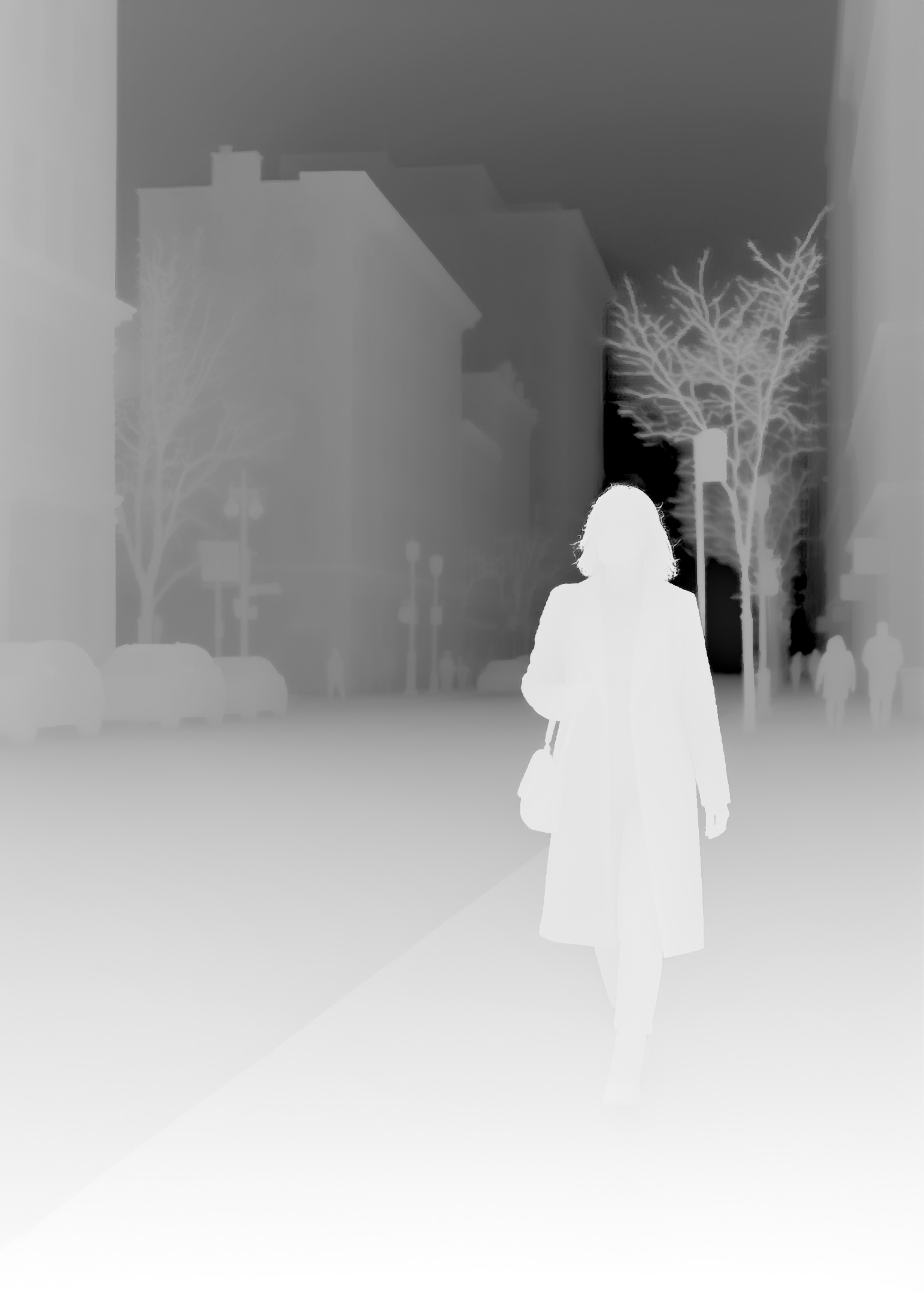
The same generated scene with different lighting and colors, and yet the estimated depth maps look the same, because the elements sit at the same positions in the depth. When photographing, we set aside the light and colors and approach a scene by how its volumes are structured in the depth. This can draw us to different subjects and different compositions. The subject is no longer settled at capture: since focus is chosen afterwards and several distances can be brought forward at once, any element of the image can become the subject, and a scene can hold many, waiting at different depths. I believe the most interesting vathographs will come from photographs taken with purpose, and that is where the exploration begins.
The Vathography process
Creative control is in the hands of the artist through the entire process. When photographing, the artist makes creative choices of subject and composition, purposefully for Vathography: a scene is read for how its volumes sit in depth. Once the depth map is inferred from the photograph, the creative focus is authored by the artist to highlight the desired subjects and shape the image, from the quiet haze of atmospheric perspective to the stark contrast of opposing tonal values or colors.
- 1PhotographA photo purposefully captured for Vathography.
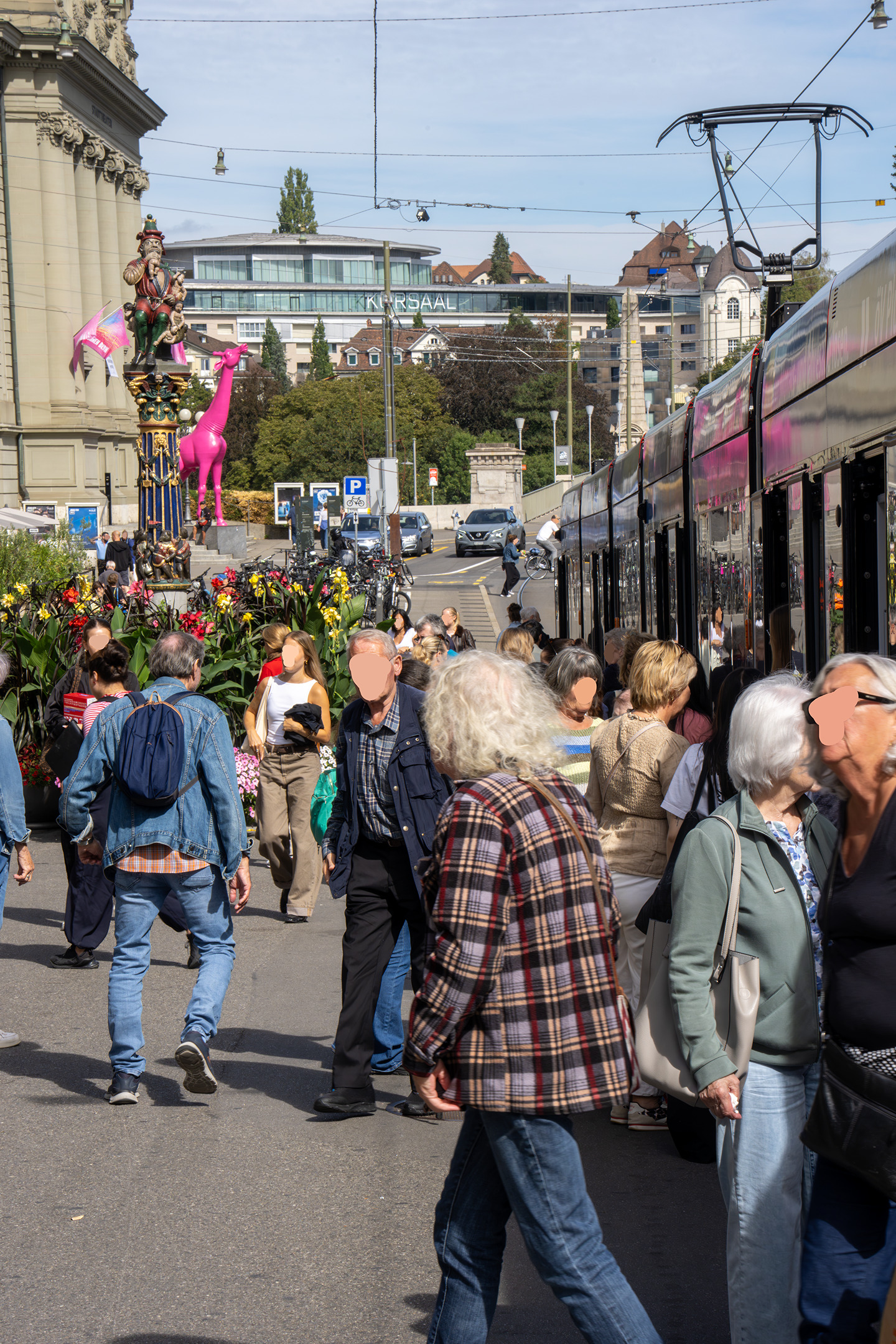
- 2Volume estimationMarigold V2 infers depth from the photograph.
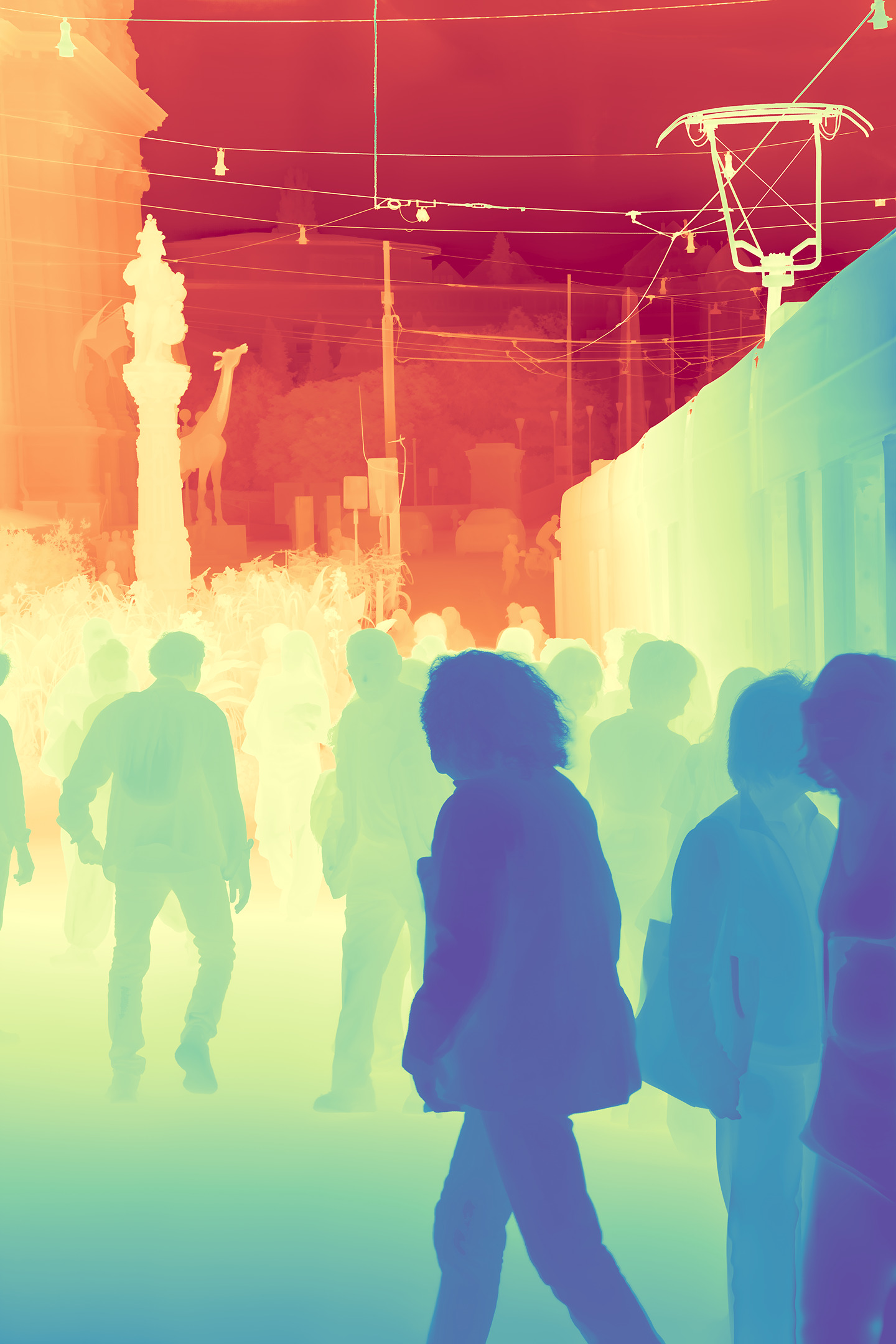
- 3ArtworkCreative focus, freely placed, and the artist’s own process on the inferred map.
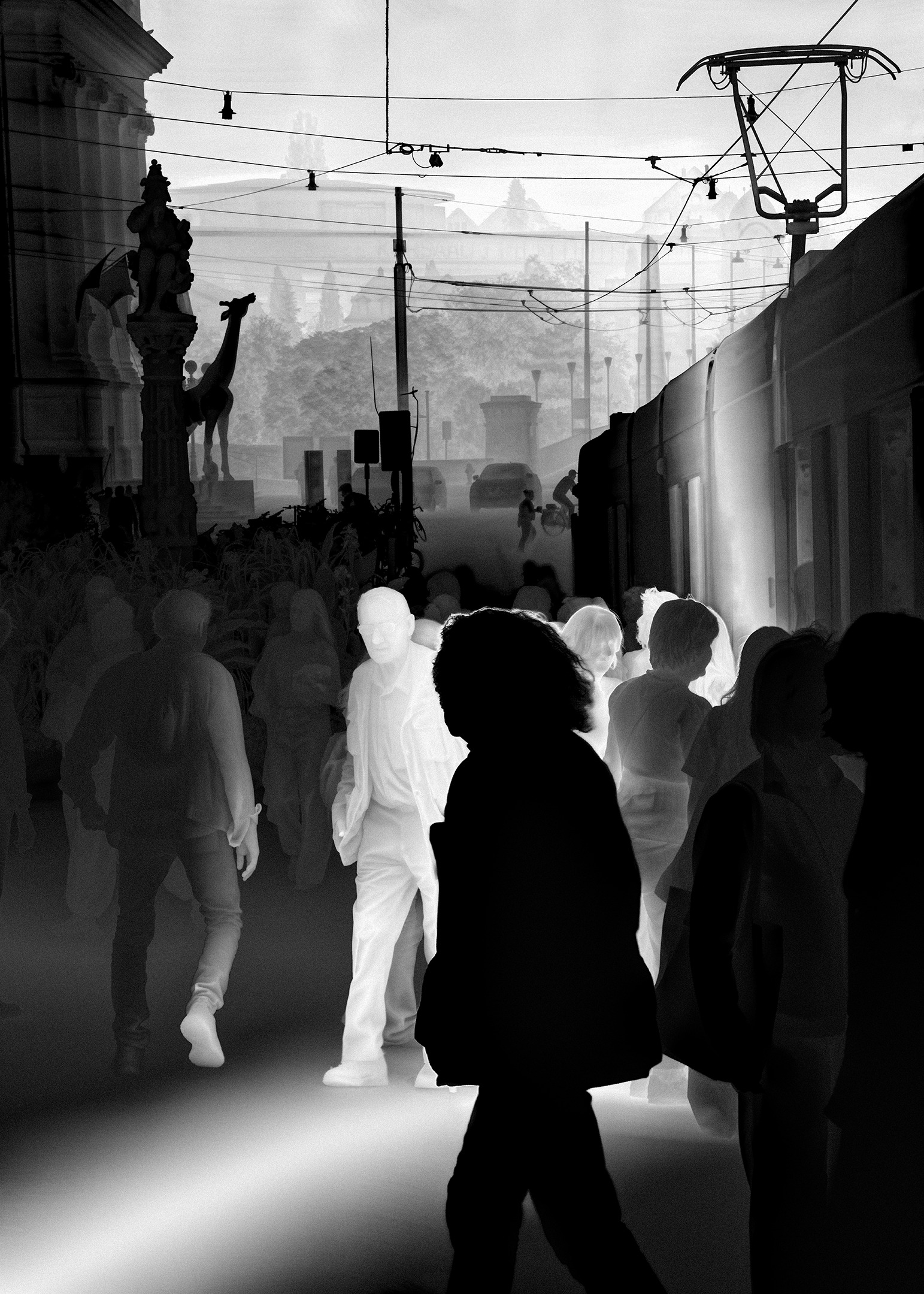
The series
First Steps into the Depth
Context and novelty
Artworks have been made from measured geometry before. ScanLAB Projects has spent more than a decade working with laser scanners, retracing Muybridge’s Yosemite in Post-Lenticular Landscapes, and point-cloud art, built from laser scans or from many photographs taken around a subject, has become an academic subject of its own.
The Vathography approach is different. At capture, it needs only a single photograph: we photograph freely with our camera, no additional equipment required, and the volume is inferred from the image itself.
The inferred depth map, originally meant to be an intermediate post-process pass, is elevated to the final artwork: the photograph distilled to its volume.
The practice redefines the photograph’s focus. It is no longer determined by the lens at capture. It becomes a creative choice, placed anywhere, at any distance, on one subject or across several at once.
This changes the process itself and gives us a new approach to photography: we compose with depth and volume, purposefully for Vathography.
Achieving all of this with the fine detail needed for high-resolution artworks has only recently become practical, with the release of Marigold V2. This inspired me to create Vathography and publish it on 1 October 2026. Thanks to the Marigold V2 team’s generous Apache 2.0 license, the approach is open to everyone, and I look forward to seeing what other artists create with it.
Credits
- Vathography practice created by
- Karim Joseph Nassar
- Practice statement
- doi.org/10.5281/zenodo.23103262 · Zenodo (CERN)
- Depth estimation
- Marigold V2 — Igor Pavlovic, Thiemo Wandel, Anton Obukhov, Luca Bartolomei, Andrey Davydov, Fabio Tosi, Matteo Poggi, Sabine Süsstrunk, Dengxin Dai
The model
Marigold V2: Revisiting Diffusion Transformers for Monocular Depth Estimation
ACM Transactions on Graphics (SIGGRAPH Asia 2026)
EPFL · HUAWEI Bayer Lab · University of Bologna
Released under the Apache License 2.0
Free tools
ComfyUI. For the depth estimation, I started working with Marigold V2 at release, building my own pipeline with an LLM before ComfyUI supported it. It now runs natively in ComfyUI from a ready-made template, with a guide.
Caution for new ComfyUI users: ComfyUI is free and open source, and anyone can publish custom nodes for it. Some have carried malicious code. The guide provided is the official native implementation.
Blender. For the creative focus, I remap the depth values in Blender, the Free and Open Source 3D Creation Software.
Sibling practice
Askiagraphy: a photograph estimated free of lighting and shadow, revealing its essential colors, its quiet structure.
About
Karim Joseph Nassar, multidisciplinary digital artist based in the canton of Bern, Switzerland.